
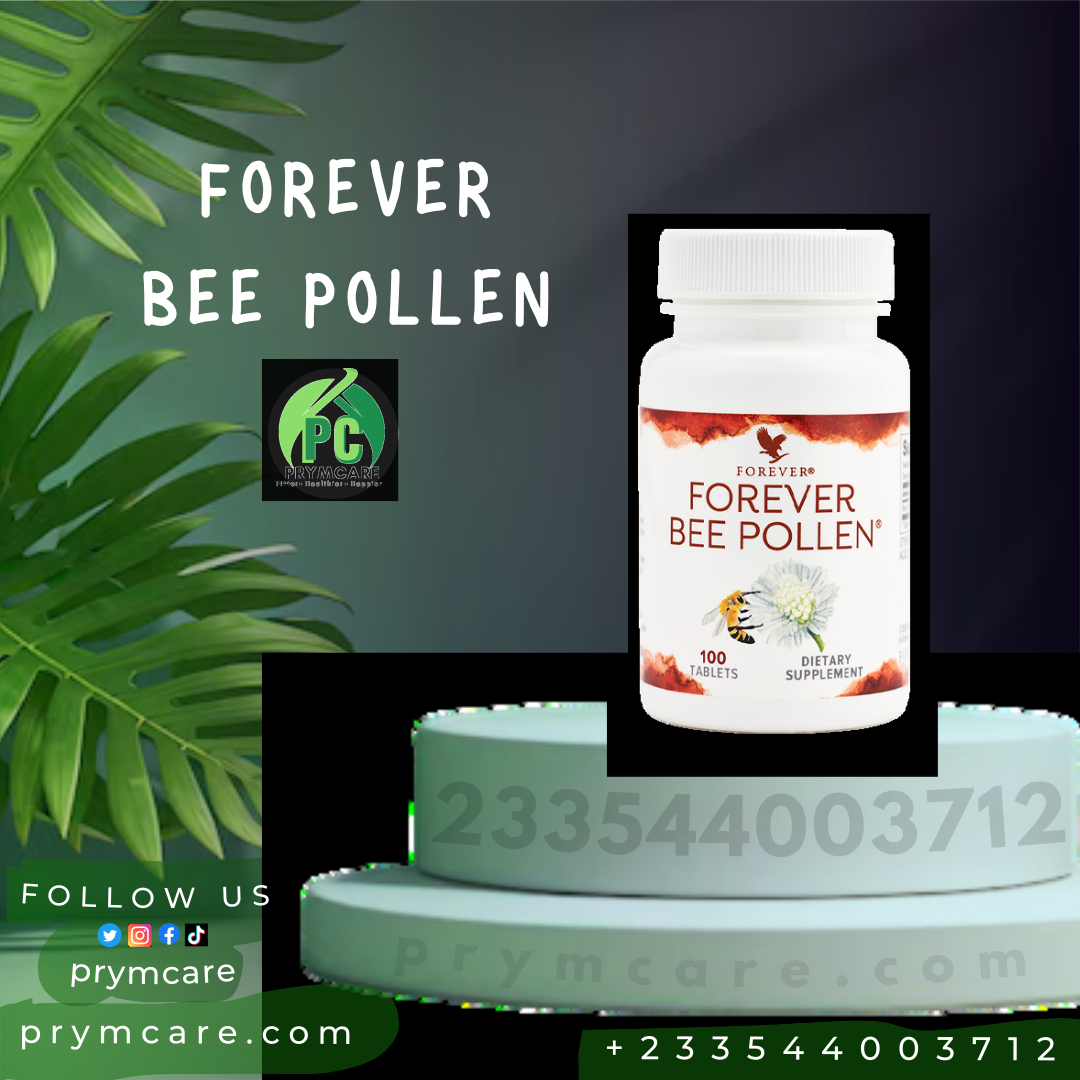
Forever Bee Pollen — Daily Vitality Support
A nutrient-dense hive extract, gathered close to how bees actually make it — genuine Forever Living stock, delivered across Ghana.
About Forever Bee Pollen
Bee pollen is exactly what it sounds like — pollen grains that worker bees collect and pack into small granules, which is then harvested and pressed into tablets. It's been used for generations as a natural source of daily nutrition, long before "superfood" became a marketing term. Forever Bee Pollen keeps that simplicity intact: just pollen, formed into an easy tablet you can take alongside breakfast without any fuss.
One honest note before you order: bee pollen isn't for everyone. If you have known allergies to pollen, bees, or bee-related products, this isn't the supplement for you — please check with a doctor first if you're at all unsure. For everyone else, it tends to fit in well as a simple daily habit rather than something dramatic; think steady, background support rather than an instant boost.
How to use it
Take one to two tablets daily with a meal and a full glass of water, as directed on the label. As with most daily supplements, consistency matters more than the exact time of day — pick a moment that's already part of your routine, like breakfast, so it's easy to stick with.
Key benefits
- Supports daily nutritional needs
- Convenient once- or twice-daily dosing
- Formulated for consistent everyday use
Frequently asked questions
What is bee pollen used for?
It's traditionally been used as a source of everyday vitality and nutrition. Forever Bee Pollen is a convenient tablet form meant to fit into a daily wellness routine.
Can I take bee pollen if I have allergies?
If you have known pollen or bee product allergies, please check with a doctor before trying this or any bee-derived supplement, since reactions are possible.
Is Forever Bee Pollen genuine Forever Living stock?
Yes, always. Every product we sell is authentic Forever Living stock, no exceptions.
Do you deliver outside Accra?
Yes, we deliver right across Ghana for a flat GHS 30, including Kumasi, Takoradi, and Tamale.
You may also like
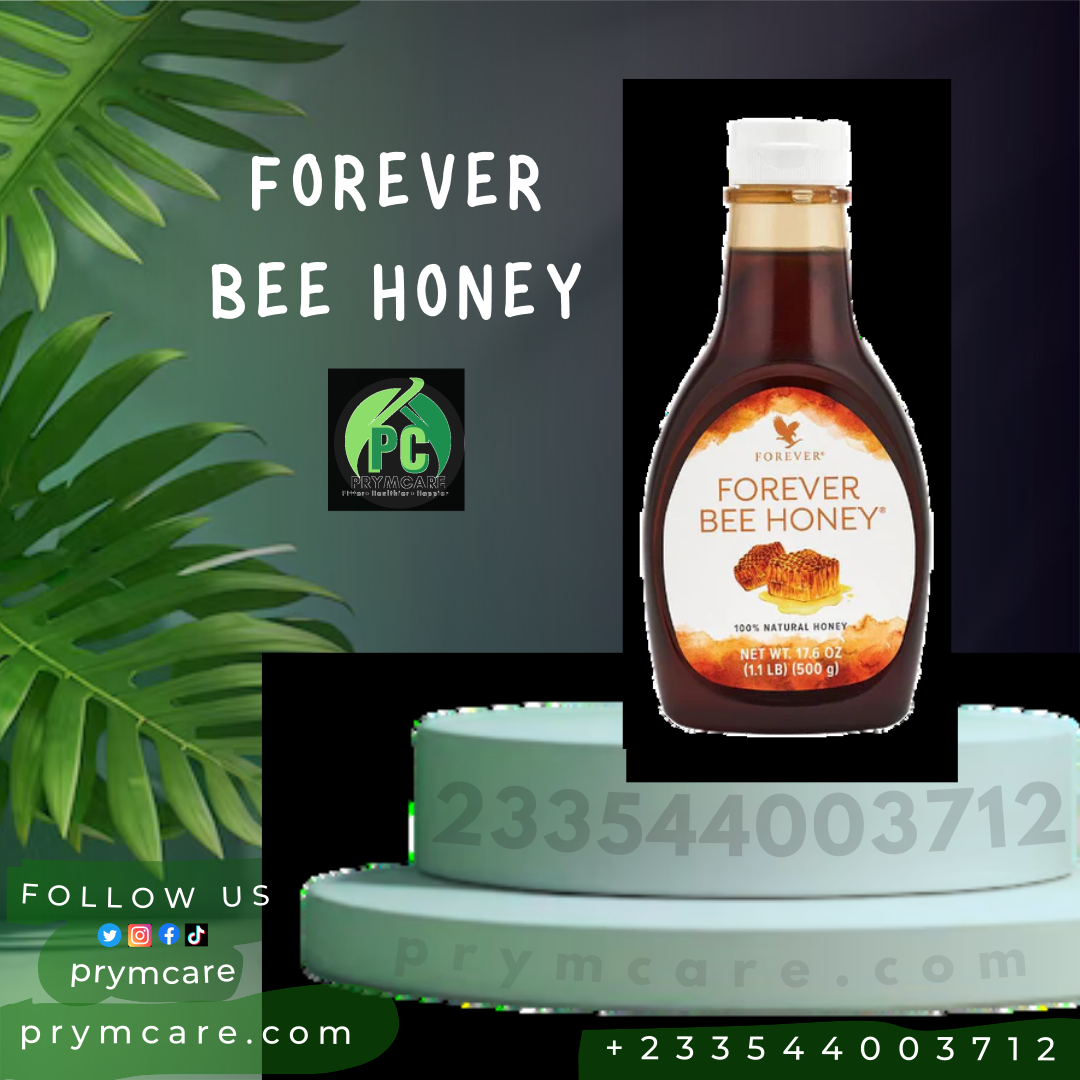
Forever Bee Honey
Pure, unprocessed honey harvested from Forever's own hives.
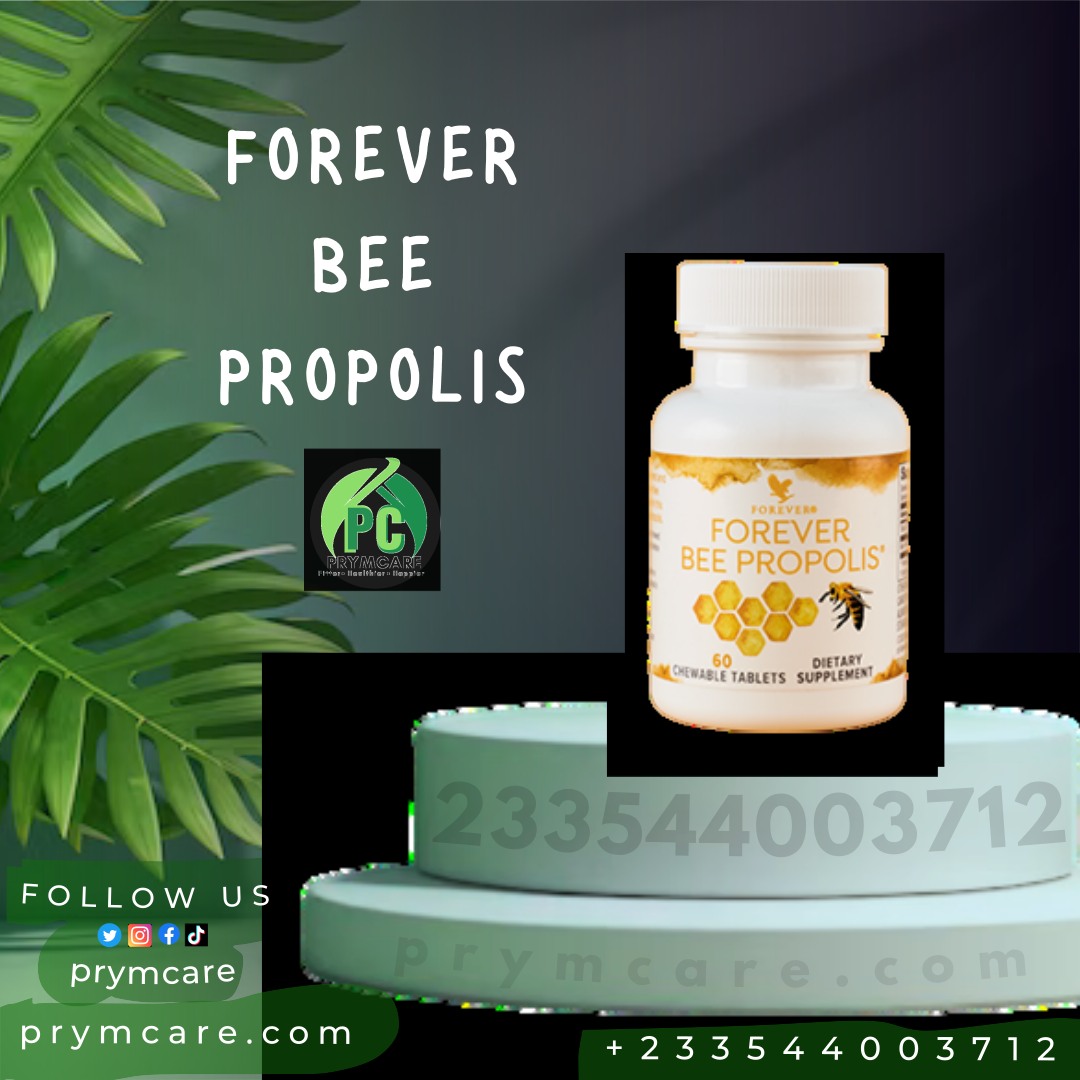
Forever Bee Propolis
A natural propolis blend supporting everyday immune resilience.
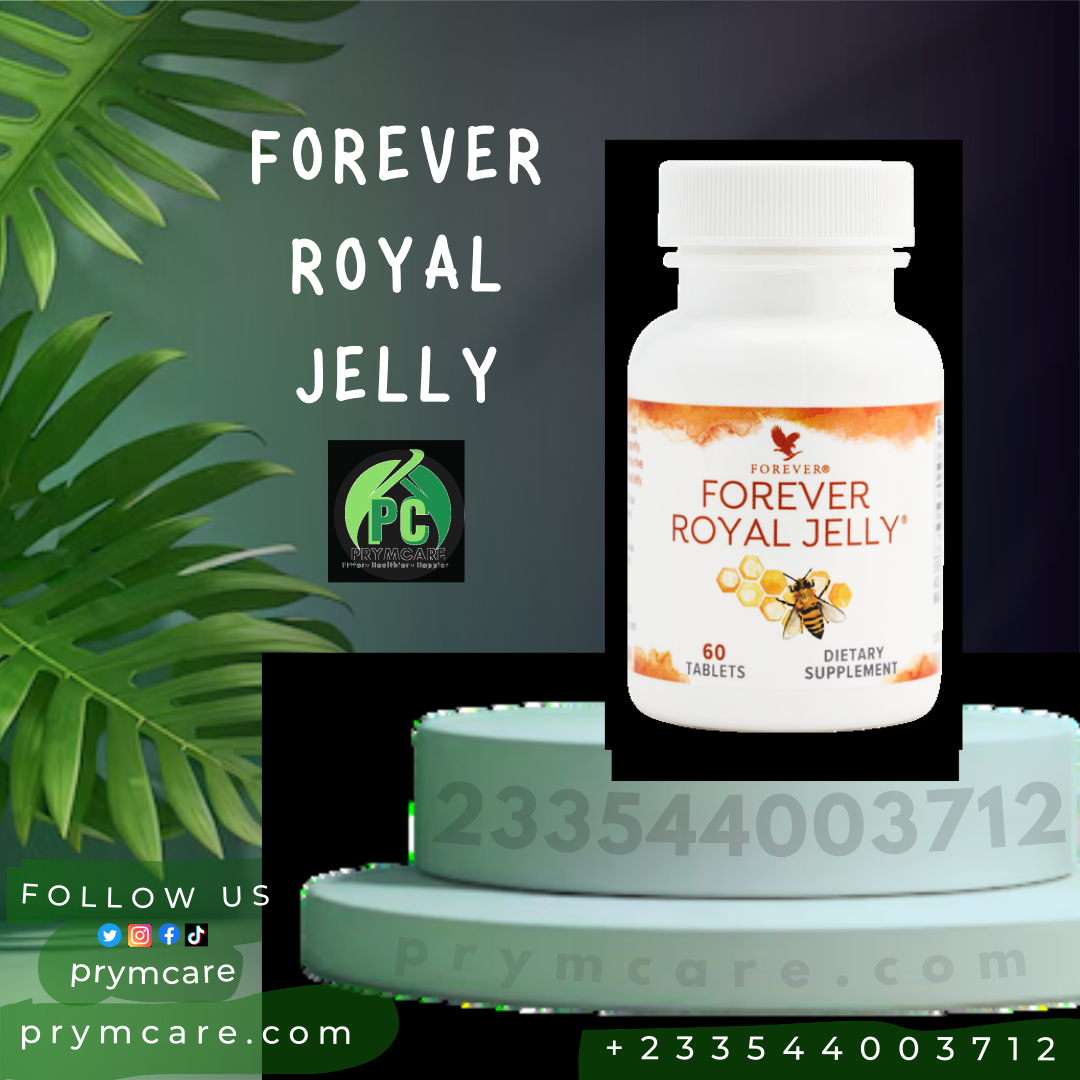
Forever Royal Jelly
A concentrated royal jelly and propolis blend for your body's defences.
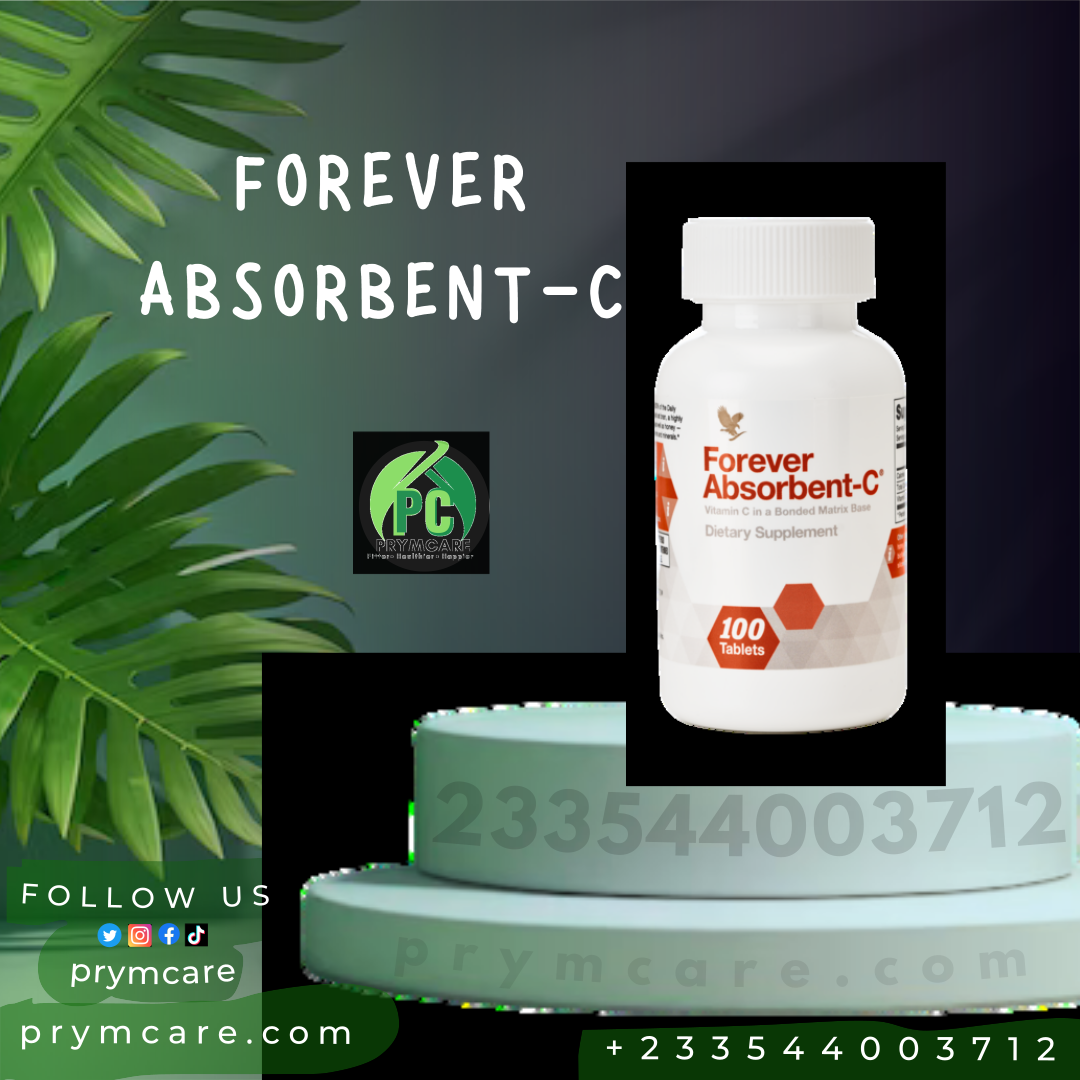
Forever Absorbent-C
Forever Absorbent-C provides immune support, powerful antioxidant protection and improved …